
Independence and social participation
for older people in Tanzania
Pensions help
the elderly
Our Programme
pensions for the elderly
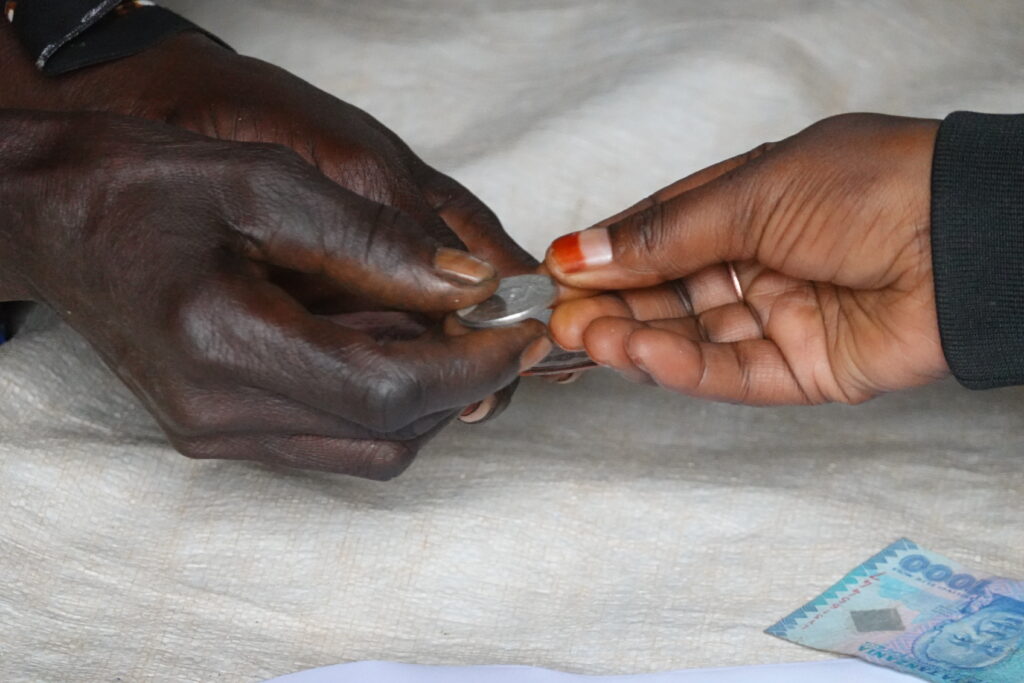
Since 2003, Kwa Wazee has been improving the living conditions of older adults and their grandchildren in Tanzania through small pension payments. This support improves nutrition, health, education, and social participation.
Health

Kwa Wazee improves health care for older adults in Tanzania. Medical examinations, treatments, eye care, and exercise programs help prevent illness, alleviate symptoms, and improve quality of life.
Psychosocial support groups
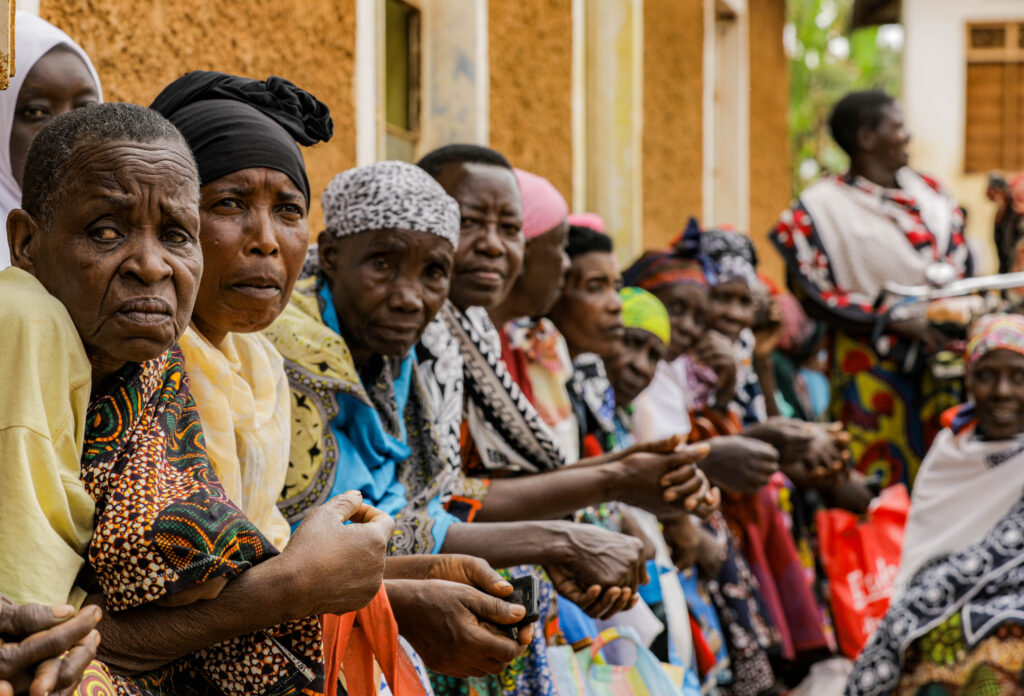
Neighborhood groups supplement the pensions of Kwa Wazee and provide an important safety net. Collective savings, mutual support, and income-generating projects strengthen the independence of older people.
Advocacy
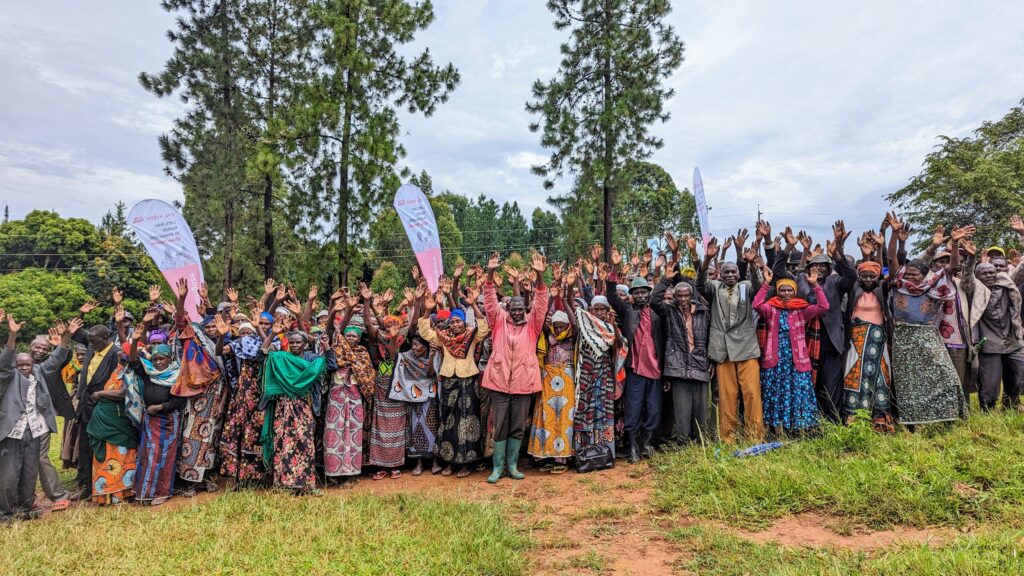
Kwa Wazee advocates for the rights of older adults and works to combat discrimination, violence, and exclusion. Through dialogue, counseling, and political advocacy, the organization strengthens their social security and participation in society.
Economic Empowerment
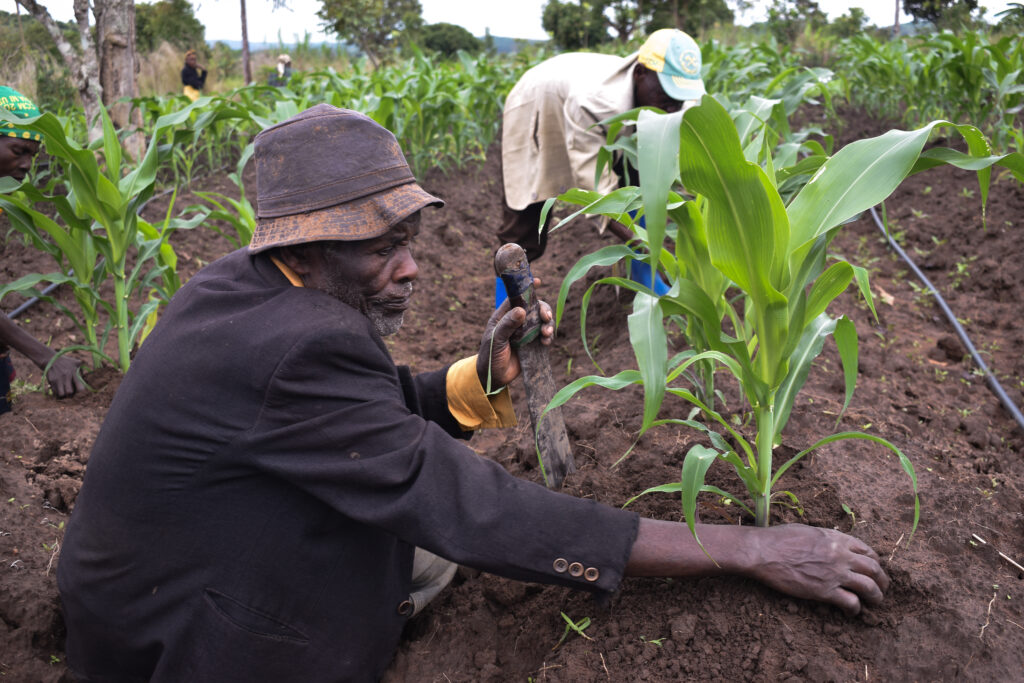
Kwa Wazee promotes the economic independence of older adults through climate-resilient pineapple cultivation and goat farming. Agriculture, self-help groups, and peer learning improve income, nutrition, and social security.
Protection Against Climate Change
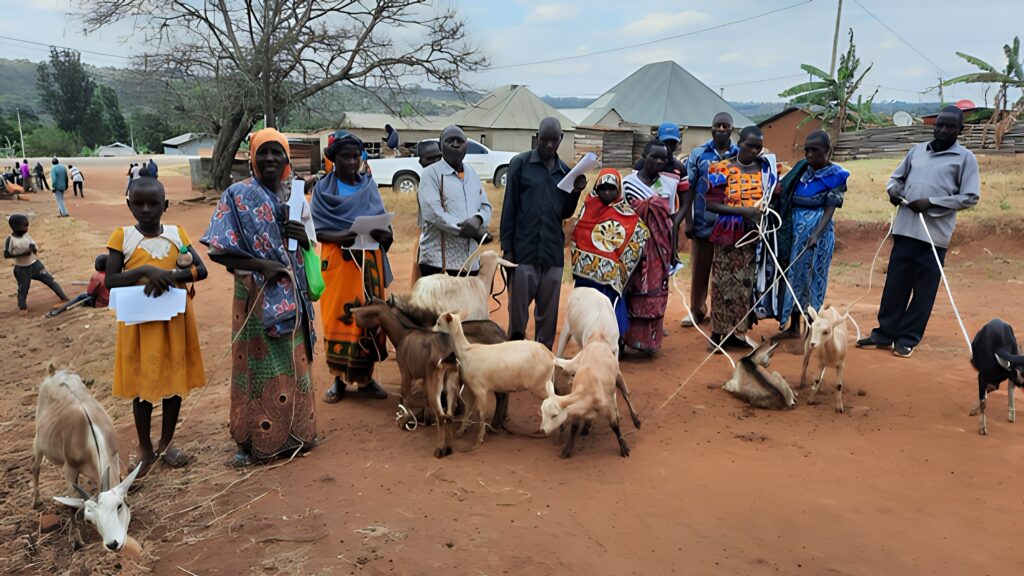
Kwa Wazee helps older adults in Kagera cope with the effects of climate change. Climate-resilient farming methods, drought-tolerant seedlings, and targeted training programs strengthen food security and resilience.
The Story of Kwa Wazee
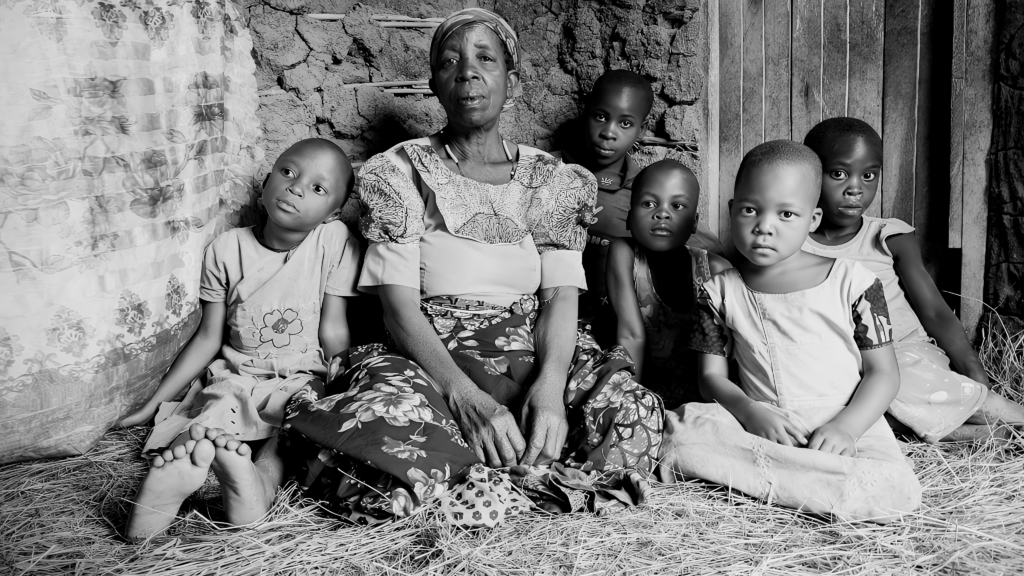
For over 25 years, Kwa Wazee has been empowering older adults and their grandchildren in Tanzania. What began as aid for AIDS orphans has evolved into a sustainable pension and support program that alleviates poverty, builds self-esteem, and fosters social inclusion.
What we've accomplished over the past year
A pension that brings dignity
When life is confined to a single room,
even the smallest bit of support is vital.
I met a woman whose world was confined to the four walls of her room.
Gerardina Anakeleti Mukabanabi is 91 years old and lives in the hamlet of Kishojo near the village of Nshamba. She hasn’t been able to get out of bed for four years. She never leaves her room and no longer sees the world outside. Her legs and hips have given out, and she is in constant pain. During the day, she lies there and listens to the sounds of life outside:
children’s voices, neighbors chatting, the changing of the seasons—while she herself remains still.
Sometimes, she says, she almost forgets what it looks like outside. Not out of disinterest, but because remembering hurts. Gerardina cannot make it to the bathroom on her own. Often, a basin is brought to her—sometimes help arrives too late. These moments diminish her dignity in a way that is hard to put into words. She speaks calmly about it, yet the weight of her words fills the room.
Before she received the Kwa-Wazee pension, her life was even harder. Despite unbearable pain, she tried to work because there was no alternative. She ate whatever she could find—often bananas, which caused her severe stomach pain and repeated hospitalizations.
Hunger forced her to choose the pain over starvation.
Today, Gerardina receives 14,500 Tanzanian shillings (about 5 €) per month through the Kwa Wazee pension program. To outsiders, that may seem like a small amount. For her, it means the difference between constant suffering and tangible relief. With her pension, she buys easily digestible foods such as rice, flour, milk, and potatoes.
She can buy painkillers when the nights become too unbearable. While that doesn’t cure her condition, it makes life more bearable.
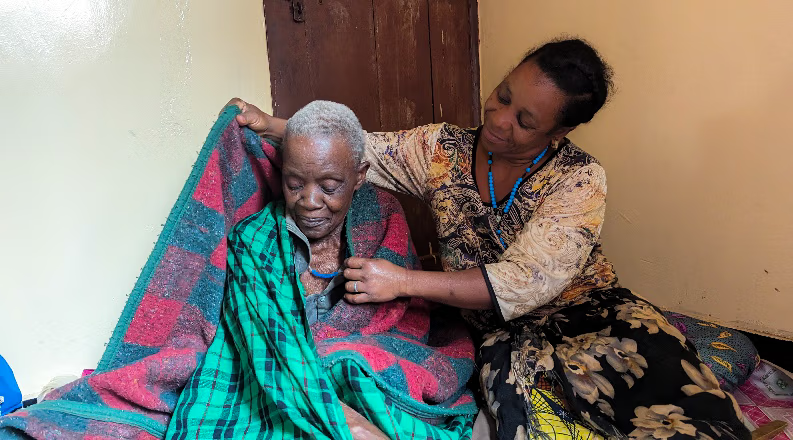
The impact extends beyond Gerardina. Her daughter-in-law, Silvia Anakeleti (46), who cares for her every day, also feels a slight sense of relief. The family can breathe a little easier. Caregiving remains possible—not because the difficulties have disappeared, but because they no longer have to bear the burden entirely on their own.
Since Gerardina cannot travel, a trusted member of the congregation picks up her pension and brings it to her. This quiet system based on trust works reliably. It shows that even in situations of extreme vulnerability, people help one another when their communities are strengthened and taken seriously.
When I asked her what the pension means to her, Gerardina replied: “Every month I pray for the donors. I ask God to bless them and give them the strength to continue remembering those who are weak, invisible, and without a voice of their own.”
More than a hundred older people in our program share Gerardina’s bitter reality: They can neither walk nor travel nor work and are completely dependent on the help of others.
Meeting Gerardina has profoundly deepened my understanding of social security. Dignity isn’t always shown through grand gestures. Often, it lies in small, reliable amounts that make it possible to eat without agonizing hunger, to sleep without fear, and to feel truly seen.