Pensions to protect and empower older people
Kwa Wazee operates its pilot programme since 2003 in the Muleba District in Tanzania - an area which was strongly affected by the consequences of HIV/Aids. Cash transfers in the form of social pensions for older people and child supplements for main carers have proved to be highly effective against severe poverty.
Mutual support groups to strengthen self help capacities
The facilitation of neighbourhood groups offered opportunities to strengthen health prevention and care as well as physical and legal security. Children in care of older people are strengthened as well through an own network of mutual support groups
Research as essential part of the pilot programme
Several studies provide evidence on opportunities and challenges from the Kwa Wazee programme. The most recent study shows the various impacts of the programme and informs about how older people can be reached with social pensions even in a most remote area.
When life is confined to a single room, even the smallest bit of support is vital.
By Ackillah Yoramu, programme officer at Kwa Wazee in Nshamba.

I met a woman whose world was confined to the four walls of her room. Gerardina Anakeleti Mukabanabi is 91 years old and lives in the hamlet of Kishojo near the village of Nshamba. She has been unable to get out of bed for four years. She never leaves her room and no longer sees the world outside. Her legs and hips have given out, and she is in constant pain. During the day, she lies there and listens to the sounds of life outside: children’s voices, neighbours’ conversations, the changing of the seasons – whilst she herself remains still. Sometimes, she says, she almost forgets what it looks like outside. Not out of disinterest, but because remembering hurts. Gerardina cannot make it to the toilet on her own. Often a washbasin is brought to her – sometimes help arrives too late. These moments diminish her dignity in a way that is hard to put into words. She speaks calmly about it, yet the weight of her words fills the room. Before she received the Kwa Wazee pension, her life was even harder. Despite unbearable pain, she tried to work, as there was no alternative. She ate whatever she could find – often bananas, which caused her severe stomach pains and repeated hospitalisations.Hunger forced her to choose the pain over starvation. Today, Gerardina receives 14,500 Tanzanian shillings (approx. 5 Swiss francs) a month through the Kwa Wazee pension scheme. To outsiders, this may seem like a small amount. For her, it means the difference between constant suffering and tangible relief. With her pension, she buys easily digestible foods such as rice, flour, milk and potatoes. She can buy painkillers when the nights become too unbearable. Whilst this does not cure her, it does make life more bearable. The impact extends beyond Gerardina. Her daughter-in-law, Silvia Anakeleti (46), who cares for her every day, also feels a slight sense of relief. The family can breathe a little easier. Care remains possible – not because the difficulties have disappeared, but because they no longer have to be borne entirely alone. As Gerardina is unable to travel, a trusted member of the congregation collects her pension and brings it to her. This quiet system based on trust works reliably. It shows that even in situations of extreme vulnerability, people help one another when their communities are strengthened and taken seriously. When I asked her what the pension means to her, Gerardina replied: “Every month I pray for the donors. I ask God to bless them and give them the strength to continue remembering those who are weak, invisible and without a voice of their own.” More than a hundred older people in our programme share Gerardina’s bitter reality: They can neither walk nor travel nor work, and are completely dependent on the help of others. Meeting Gerardina has profoundly deepened my understanding of social security. Dignity is not always shown through grand gestures. Often, it lies in small, reliable sums that make it possible to eat without agonising hunger, to sleep without fear, and to feel truly seen.
Older People`s Day
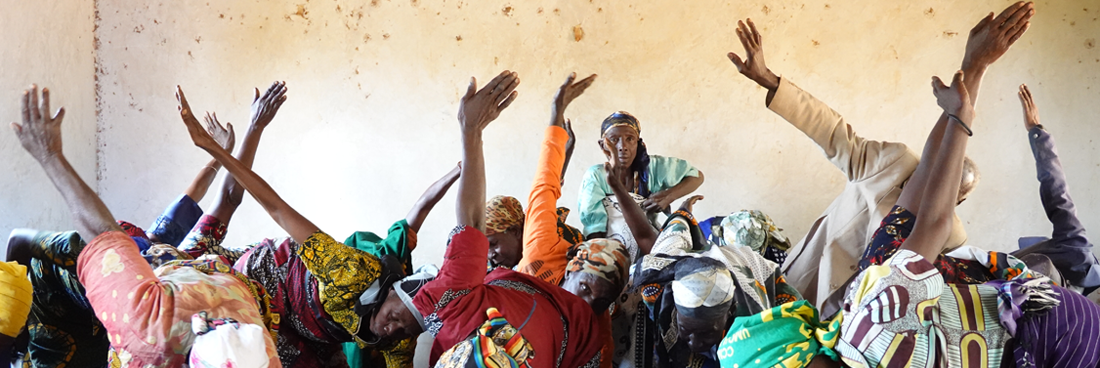
Scene from Older People's Day, Muleba District. Thousands of older women and men assemble to celebrate 'their' day with singing, dancing and games. Supported by Kwa Wazee older people increasingly raise their voices to claim their rights as humans and citizens. Filmed by Edmund Revelian (Kwa Wazee).